
Choosing the right vacuum cleaner can make everyday cleaning easier, faster, and more effective. However, with so many models and designs available, finding a suitable option can sometimes feel confusing. Different cleaning environments require different features, whether you need a vacuum cleaner for household dust, carpets, hard floors, commercial spaces, or heavy-duty industrial applications. Selecting a machine that matches your cleaning requirements can help improve cleaning efficiency and reduce unnecessary maintenance costs. Vac City offers a wide range of vacuum cleaners for different cleaning requirements, including reliable options for household, commercial, and industrial cleaning needs.
Before purchasing a vacuum cleaner, it is important to consider factors such as the type of surface, cleaning frequency, available space, dust collection capacity, filtration system, and overall performance. Understanding the differences between vacuum cleaner types can help you make a more informed decision and choose equipment that delivers reliable results for your particular cleaning tasks.
1. Understand Your Cleaning Requirements
The first step in choosing a vacuum cleaner is identifying where and how frequently you intend to use it. A vacuum cleaner designed for occasional household cleaning may not provide the capacity or durability required for a commercial environment. Similarly, a heavy-duty industrial machine may be unnecessary for smaller everyday cleaning tasks.
Consider the size of the area, the type of dirt or debris you need to remove, and the surfaces you clean most often. Homes may require equipment suitable for carpets, furniture, and hard floors, while offices, warehouses, workshops, and hospitality businesses may need machines designed for frequent operation and larger cleaning areas.
Understanding these requirements helps narrow down your options and prevents you from spending money on features that may not be necessary.
2. Choose Between Different Types of Vacuum Cleaners
Vacuum cleaners are available in several designs, each intended for particular cleaning situations. Knowing how these machines differ can help you select the right equipment.
Upright Vacuum Cleaners: These models are commonly used for household cleaning, particularly on carpets and rugs. Their design allows users to clean larger floor areas without carrying the main unit.
Canister Vacuum Cleaners: Canister models feature a separate motor unit connected to a cleaning wand and hose. They are useful for cleaning floors, furniture, stairs, and areas that are difficult to reach with larger machines.
Backpack Vacuum Cleaners: These machines are worn on the user’s back, allowing greater movement while cleaning. They can be useful for professional cleaners working in offices, corridors, staircases, and other spaces where portability is important.
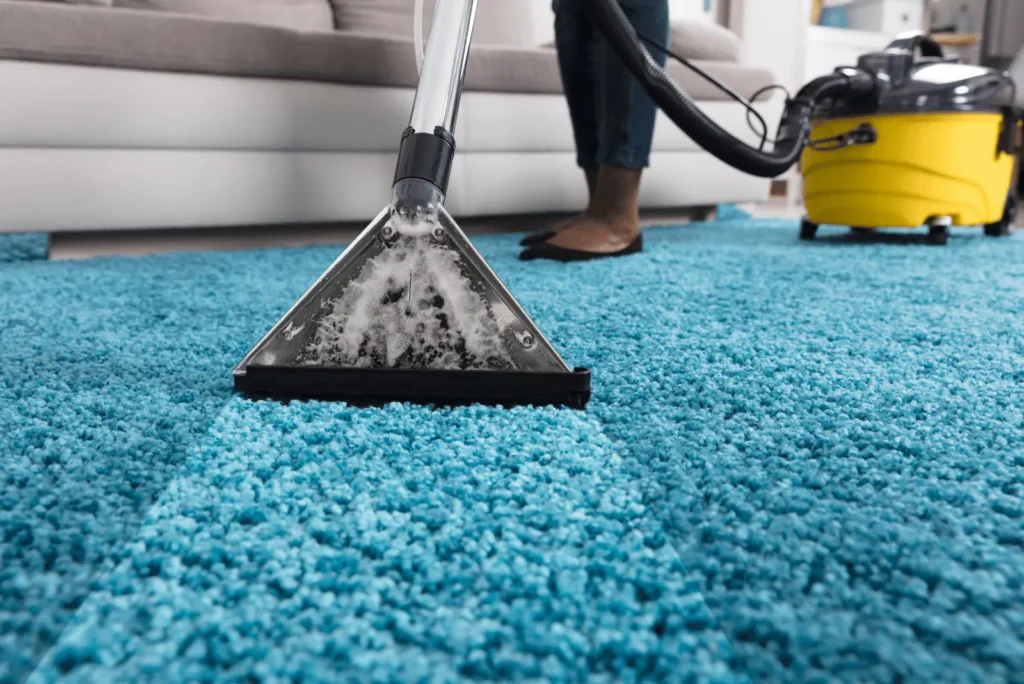
Wet and Dry Vacuum Cleaners: These versatile machines are designed to collect both liquid spills and dry debris, depending on the model’s specifications. They are particularly useful in workshops, commercial facilities, and maintenance environments.
Industrial Vacuum Cleaners: Designed for demanding cleaning applications, industrial models can offer higher capacities, durable construction, and specialised filtration options. They are suitable for environments where ordinary domestic machines may not meet operational requirements.

3. Consider the Type of Flooring and Surface
Different surfaces require different cleaning approaches. Carpets, tiles, wooden floors, concrete, and upholstery do not all respond to the same vacuum settings or attachments. Choosing a vacuum cleaner with suitable cleaning accessories can improve results while helping prevent unnecessary surface damage.
For carpets and rugs, look for models with appropriate brush systems and adjustable settings. Hard floors may benefit from soft brush attachments or floor heads designed to collect dust without scratching delicate surfaces. If you regularly clean furniture, curtains, stairs, or narrow spaces, consider a machine that includes suitable extension tools and upholstery attachments.
For commercial and industrial environments, floor conditions may vary significantly. Concrete floors, workshop surfaces, and large storage areas may require machines with suitable suction performance and specialised accessories.
4. Check Suction Performance and Cleaning Capacity
Suction performance is one of the most important factors when comparing vacuum cleaners. A machine needs sufficient cleaning performance to collect the type of dirt, dust, and debris found in its intended environment. However, higher power consumption does not automatically mean better cleaning results.
Consider the machine’s airflow, filtration design, cleaning head, and ability to maintain performance as the dust container or bag fills. Manufacturer specifications and product documentation can provide useful information about these features.
Capacity is equally important. Smaller vacuum cleaners may be suitable for limited spaces, while larger commercial machines can reduce the frequency of emptying during extended cleaning sessions. Choosing an appropriate capacity can improve productivity, particularly in workplaces with large floor areas.
5. Pay Attention to Filtration Systems
A vacuum cleaner’s filtration system determines how collected dust and particles are managed inside the machine. This is an important consideration for homes, offices, healthcare-related environments, and workplaces where dust control matters.
Different models use different filtration technologies, including standard filters and HEPA filtration systems. HEPA filters are designed to capture a high proportion of airborne particles when used in a properly designed and tested filtration system. However, not every vacuum cleaner advertised with advanced filtration is suitable for every dust-control application.
Before purchasing, check the manufacturer’s filtration specifications and replacement requirements. For commercial or industrial environments, make sure the filtration system is appropriate for the materials being collected. Hazardous dust may require specialised equipment and should not be handled with an ordinary vacuum cleaner.
6. Evaluate Bagged and Bagless Options
Another important decision is whether to choose a bagged or bagless vacuum cleaner. Both options have advantages depending on cleaning frequency, operating costs, and maintenance preferences.
Bagged vacuum cleaners collect dirt in disposable or replaceable bags. They can offer convenient waste disposal and may be suitable for environments where dust exposure during emptying should be reduced. However, replacement bags create an ongoing expense, and users need to select compatible bags for their specific machine.
Bagless models collect debris in a reusable container that needs to be emptied and cleaned regularly. They eliminate the need for disposable bags, although emptying the container may release dust if it is not handled carefully.
Consider the availability and cost of replacement bags, filters, and other consumables before making a decision.
7. Consider Durability, Maintenance, and Operating Costs
A vacuum cleaner should be selected based on its expected workload and maintenance requirements. For frequent commercial use, durable construction and easily accessible replacement components can be particularly valuable.
Check the availability of essential parts such as hoses, filters, brushes, motors, and wheels. Regular maintenance, including cleaning filters, checking hoses, and replacing worn components, can help maintain consistent performance.
It is also worth considering the total cost of ownership rather than focusing only on the initial purchase price. Electricity consumption, replacement bags, filters, repairs, and servicing can all contribute to long-term operating expenses.
8. Look for Ease of Use and Practical Features
A vacuum cleaner should be comfortable and convenient to operate. Features such as manageable weight, suitable cable length, easy-to-use controls, accessible storage, and flexible attachments can make cleaning tasks more efficient.
For professional cleaning teams, portability and ease of movement can have a significant impact on daily productivity. Machines with suitable wheels, ergonomic handles, or backpack designs may help users move between different cleaning areas more easily.
Before purchasing, consider who will operate the machine and whether its design is appropriate for the intended cleaning environment.
Conclusion
Choosing the right vacuum cleaner requires a clear understanding of your cleaning requirements, floor surfaces, operating conditions, and maintenance expectations. From compact household models and backpack vacuum cleaners to wet and dry machines and heavy-duty industrial equipment, each type offers different features for specific applications.
By comparing suction performance, capacity, filtration, accessories, durability, and long-term costs, you can identify a vacuum cleaner that meets your needs without paying for unnecessary features. Taking time to evaluate these factors before purchasing can help you select reliable cleaning equipment that supports efficient everyday or professional cleaning.
About The Author