
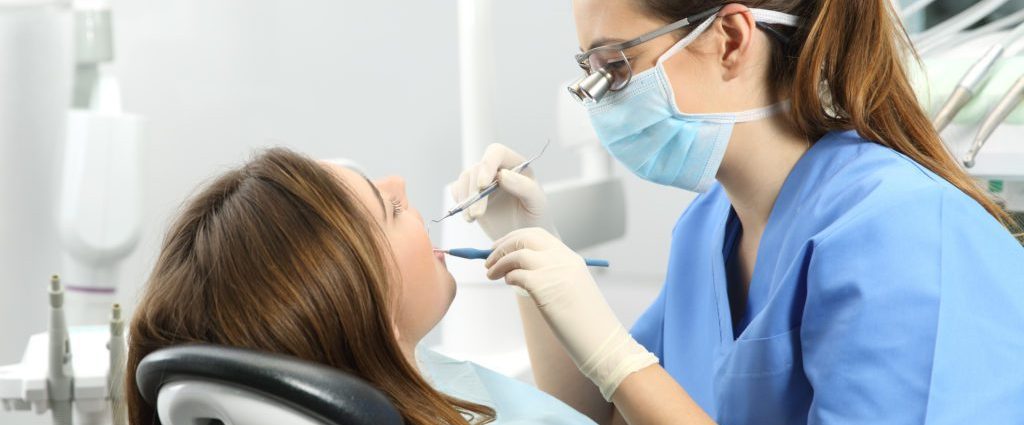
Oral health often reveals itself through subtle sensations rather than dramatic pain, and routine dental procedures exist to intercept small issues before they escalate into complex conditions. Teeth endure constant mechanical stress, chemical exposure, and microbial activity, making professional intervention inevitable at various life stages. Common dental procedures are not merely corrective measures but strategic interventions designed to preserve structural integrity, masticatory efficiency, and aesthetic harmony. Individuals may require treatment due to decay, trauma, functional imbalance, or preventative necessity, and understanding these procedures fosters informed decision making. Dental care operates at the intersection of biology and precision engineering, addressing enamel erosion, pulp inflammation, and periodontal instability with methodical expertise. When symptoms such as sensitivity, discoloration, bleeding gums, or persistent discomfort arise, they often signal the need for clinical evaluation. Timely procedures mitigate deterioration and restore equilibrium within the oral cavity, ensuring comfort, confidence, and long term wellness through disciplined care.
Dental Examinations and Professional Cleanings
Routine dental examinations and professional cleanings form the cornerstone of preventive dentistry, serving as the first line of defense against progressive oral disease. These procedures involve comprehensive visual assessments, diagnostic imaging when necessary, and meticulous removal of plaque and calculus deposits that resist daily hygiene efforts. Accumulated biofilm harbors pathogenic bacteria capable of inciting gingival inflammation and enamel demineralization. Professional cleaning employs specialized instruments to access subgingival areas, reducing microbial load and promoting tissue resilience. Examinations also facilitate early detection of carious lesions, occlusal discrepancies, and mucosal abnormalities that might otherwise advance unnoticed. Individuals may need these services biannually or more frequently if predisposed to periodontal complications. Beyond cleanliness, these visits establish a longitudinal record of oral health, enabling clinicians to anticipate changes and recommend timely interventions. Consistent examinations cultivate stability, preserving natural dentition and minimizing the likelihood of invasive treatments later.
Dental Fillings for Tooth Decay
Dental fillings address structural compromise caused by carious activity, restoring both function and morphology to affected teeth. When bacteria metabolize sugars, they produce acids that erode enamel and dentin, forming cavities that weaken tooth architecture. Fillings involve the careful excision of decayed material followed by the placement of restorative substances that reinforce integrity and prevent further infiltration. Modern materials such as composite resins are engineered to mimic natural translucency and thermal behavior, ensuring seamless integration. Individuals may require fillings when experiencing sensitivity to temperature, localized pain during mastication, or visible discoloration. Left untreated, decay can penetrate the pulp, necessitating more complex procedures. Fillings therefore act as a conservative solution, halting progression while preserving as much natural structure as possible. Their timely placement sustains chewing efficiency and protects adjacent teeth from secondary damage.
Root Canal Treatment for Infected Pulp
Root canal treatment becomes necessary when bacterial invasion reaches the dental pulp, causing inflammation or necrosis within the tooth core. This condition often manifests as persistent pain, swelling, or heightened sensitivity, indicating compromised vitality. The procedure involves removing infected pulp tissue, disinfecting the internal canal system, and sealing it to prevent reinfection. Advanced instrumentation allows precise navigation of complex canal anatomy, ensuring thorough decontamination. Root canal therapy preserves the external structure of the tooth, maintaining alignment and preventing the shifting that can follow extraction. Individuals may need this treatment when deep decay, repeated dental procedures, or trauma disrupt pulpal health. By eliminating infection while retaining the tooth, root canal treatment balances biological preservation with functional necessity. The result is a stable, pain free tooth capable of continued service within the dental arch.
Tooth Extractions and Surgical Removal
Tooth extractions are indicated when a tooth becomes irreparably damaged, infected beyond salvage, or obstructive to overall oral harmony. Severe decay, advanced periodontal disease, or impacted teeth can necessitate removal to protect surrounding structures. The extraction process is conducted with precision to minimize trauma to adjacent bone and soft tissue. Surgical removal may be required for teeth that are fractured below the gum line or embedded within the jaw. Individuals might need extractions when experiencing chronic infection, overcrowding, or pain that resists conservative treatment. Although removal may seem definitive, it often serves as a prelude to restorative planning, preserving occlusal balance and preventing systemic complications. Careful post extraction management supports healing and prepares the oral environment for future rehabilitation, ensuring that removal contributes to long term stability rather than functional loss.
Dental Crowns for Structural Reinforcement
Dental crowns provide comprehensive coverage for teeth that have suffered extensive damage, restoring strength and appearance through full surface encapsulation. These restorations are custom fabricated to align with natural contours and occlusal dynamics. Crowns are commonly required after root canal treatment, significant fractures, or large restorations that compromise tooth stability. By encasing the remaining structure, crowns distribute biting forces evenly, reducing the risk of further fracture. Materials such as ceramic or porcelain fused compositions offer durability alongside aesthetic refinement. Individuals may need crowns when a tooth exhibits substantial wear, discoloration, or weakened integrity. Beyond reinforcement, crowns enhance symmetry within the smile, contributing to both functional and visual coherence. Their placement represents a synthesis of restorative science and artistic calibration, ensuring longevity under daily mechanical demands.
Dental Bridges and Tooth Replacement
Dental bridges address the absence of one or more teeth by spanning the gap with prosthetic replacements anchored to adjacent structures. Missing teeth disrupt chewing efficiency, speech clarity, and jaw alignment, leading to gradual deterioration of surrounding tissues. Bridges restore continuity, preventing neighboring teeth from drifting and maintaining facial proportions. The procedure involves preparing supporting teeth and securing a custom fabricated prosthesis that integrates seamlessly with natural dentition. Individuals may need bridges following extractions or tooth loss caused by trauma or disease. This restorative option reestablishes functional equilibrium, allowing balanced force distribution during mastication. Bridges also protect the integrity of the bite, mitigating undue stress on remaining teeth. Through precise fabrication and placement, bridges offer a stable solution that reconciles aesthetics with biomechanical necessity.
Periodontal Treatments for Gum Health
Periodontal treatments focus on the health of gingival and supporting structures, addressing conditions that compromise tooth stability. Gum disease arises from chronic plaque accumulation, triggering inflammation that can progress to bone loss if untreated. Periodontal therapy includes deep cleaning techniques that remove deposits from beneath the gum line, promoting reattachment and healing. Individuals may need these treatments when experiencing bleeding gums, recession, or persistent halitosis. Maintaining periodontal health is essential, as compromised support undermines even structurally sound teeth. These procedures aim to arrest disease progression, restore tissue resilience, and preserve natural dentition. Through diligent intervention and maintenance, periodontal treatments safeguard the foundation upon which all other dental procedures depend, reinforcing oral health at its most fundamental level.
About The Author