
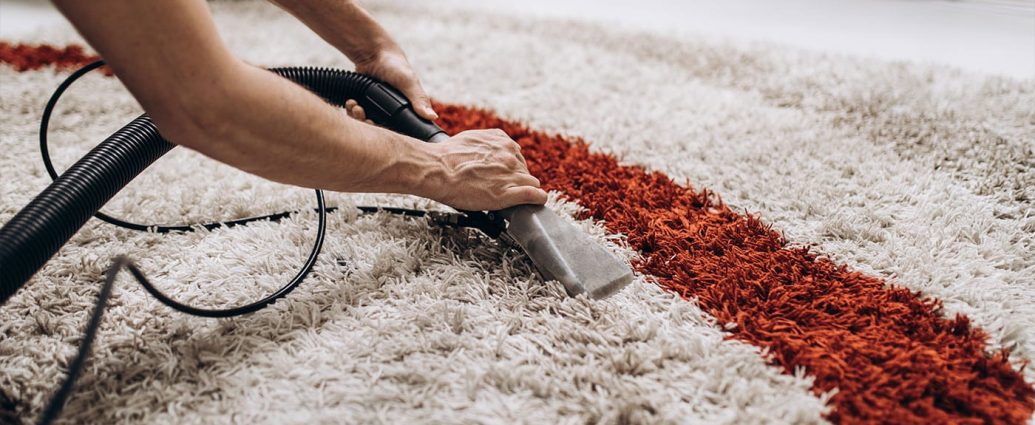
Carpeted surfaces function as both aesthetic anchors and functional filters within interior spaces, quietly absorbing particulate matter, moisture residue, and microscopic debris introduced through daily activity. The frequency with which professional carpet cleaning services should be scheduled is not governed by a universal calendar but by a confluence of environmental pressures and usage behaviors that shape the rate of contamination. Foot traffic deposits abrasive grit that migrates deep into the pile, while ambient humidity can encourage the accumulation of allergens and malodorous compounds. Over time, these elements compromise not only visual clarity but also structural resilience. Professional intervention, performed at measured intervals, arrests fiber fatigue and preserves chromatic integrity. A well planned schedule balances prevention with restoration, ensuring carpets retain their tactile comfort and hygienic reliability. Regular cleaning transcends superficial grooming and becomes a strategic investment in indoor longevity, safeguarding the unseen layers where degradation begins.
Understanding Household Traffic and Usage Intensity
The cadence of professional carpet cleaning is heavily influenced by the density and velocity of foot movement within a space. Entry corridors, communal living rooms, and transitional areas endure relentless compression that accelerates soil entrapment and fiber distortion. In homes with frequent visitors or active routines, particulate accumulation occurs at a pace that vacuuming alone cannot adequately mitigate. Conversely, rooms reserved for occasional use experience slower contamination cycles and may require less frequent professional attention. Usage intensity also extends beyond footsteps to include furniture movement, recreational activities, and the presence of textiles that shed fibers. Each interaction contributes to a layered matrix of debris that embeds itself beneath the visible surface. Scheduling services according to traffic patterns ensures that heavily used zones receive timely remediation while preserving less burdened areas. This tailored approach optimizes cleaning efficacy and prevents uneven wear that diminishes overall cohesion.
Health Considerations and the Indoor Living Environment
Carpets play a paradoxical role in indoor wellness, acting as repositories for airborne particulates while simultaneously preventing their circulation when properly maintained. Without periodic professional extraction, trapped allergens such as pollen fragments, dust mites, and organic detritus can proliferate, subtly eroding air quality. For occupants with respiratory sensitivities or heightened immune responses, these accumulations may exacerbate discomfort and fatigue. Professional cleaning employs specialized methodologies that penetrate the pile and dislodge contaminants beyond the reach of conventional equipment. The result is not merely visual enhancement but a recalibration of the indoor ecosystem. Scheduling services at appropriate intervals supports a healthier living environment by reducing microbial presence and neutralizing residual odors. Clean carpets contribute to a sense of equilibrium, reinforcing the home as a restorative refuge rather than a silent source of irritation.
Carpet Fiber Composition and Soil Retention Dynamics
The material constitution of carpeting significantly influences how often professional cleaning is advisable. Synthetic fibers often exhibit resilience against staining yet possess electrostatic properties that attract fine particulates. Natural fibers, while prized for their luxurious texture, can be more absorbent and susceptible to discoloration if contaminants linger. Pile density and weave structure further complicate maintenance needs by determining how deeply soil migrates beneath the surface. High pile constructions can conceal debris effectively, creating an illusion of cleanliness while harboring abrasive agents that abrade fibers from within. Understanding these characteristics allows for informed scheduling that aligns with the inherent vulnerabilities of the material. Professional services calibrated to fiber type ensure that cleaning agents and techniques complement the carpet rather than compromise it. This alignment preserves both appearance and structural coherence over extended periods.
Climate Influences and Lifestyle Variables
Environmental context exerts a profound influence on carpet maintenance requirements. Regions characterized by elevated humidity levels may experience accelerated moisture retention within carpet fibers, fostering conditions conducive to microbial growth. Arid climates, by contrast, often introduce fine dust that infiltrates deeply and resists surface removal. Lifestyle variables such as pet ownership, culinary habits, and recreational preferences further modulate cleaning frequency. Animals introduce dander and tracked debris, while frequent cooking disperses airborne oils that eventually settle into soft surfaces. Even footwear customs and proximity to outdoor spaces can alter contamination patterns. Professional scheduling that accounts for these variables ensures proactive care rather than reactive remediation. By aligning service intervals with environmental realities, carpets remain resilient against the cumulative pressures of daily life and seasonal fluctuations.
Professional Maintenance Cycles and Long Term Value
Establishing a consistent professional cleaning cycle transforms carpet care from an occasional chore into a disciplined preservation strategy. Routine services prevent the gradual entrenchment of soils that erode fibers and dull coloration. This preventive posture extends the functional lifespan of carpeting, delaying the need for costly replacement and sustaining aesthetic harmony. Professional technicians possess the expertise to assess wear patterns and adjust methodologies accordingly, ensuring each session contributes to cumulative improvement. Over time, this approach yields dividends in comfort, cleanliness, and visual appeal. Rather than viewing professional cleaning as an intermittent expense, it becomes a calculated investment in asset stewardship. Carpets maintained through regular intervention retain their tactile vitality and continue to support the broader ambience of the interior environment.
Recognizing Subtle Indicators That Signal the Need for Service
Beyond prescribed schedules, attentive observation offers valuable cues regarding when professional cleaning is warranted. Subtle discoloration along pathways, a muted appearance despite regular vacuuming, or the persistence of odors after routine care all suggest underlying accumulation. Texture changes, such as matting or reduced resilience underfoot, indicate fiber stress that benefits from professional revitalization. Seasonal transitions may also reveal shifts in indoor conditions that accelerate soiling. Responding to these indicators with timely service prevents minor issues from escalating into irreversible damage. Professional cleaning restores balance by addressing both visible and latent concerns. Attuned maintenance practices ensure carpets continue to perform their dual role as aesthetic elements and functional components of a healthy interior, reinforcing the value of informed and responsive care.
About The Author